

Last Updated on: 16th January 2026, 11:19 am
Winter Training Tips
What do you need to train in the cold?
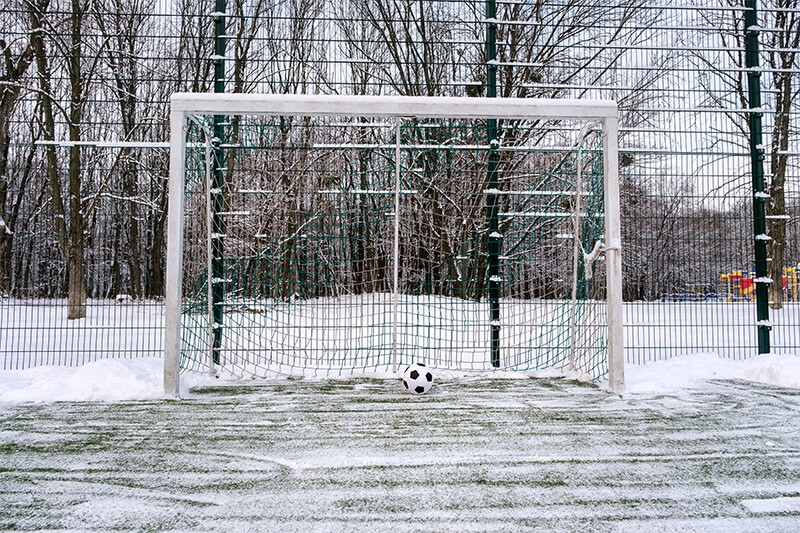
Winter football training brings different challenges for players and coaches. Colder temperatures, darker evenings and wet pitches all affect performance, motivation and safety. This guide covers how to train effectively in winter conditions, including warm-ups, clothing, hydration and session planning, so players can stay warm, reduce injury risk and keep improving throughout the season.
Winter Football Training
It’s that time of year when it’s getting colder and the nights are darker. Two things that inevitably make it harder to motivate yourself. Training in colder conditions can be demanding, but there are some great benefits when managed correctly.
- Improved conditioning – Cold weather increases the workload on the body as it works harder to maintain temperature. This helps improve cardiovascular fitness and energy efficiency.
- Greater mental resilience – Turning up and training in difficult conditions builds discipline and mental toughness. These are qualities that translate directly into match-day performance.
- Better preparation for match conditions – Winter fixtures are often played in poor weather. Training in similar conditions helps players adapt their touch, movement and decision-making.
- Immune system support – Research has shown that regular cold-weather exercise can support immune function when recovery and nutrition are managed properly.
So, it’s definitely worth heading outside, but what is the best way to approach it? We’ve put together some top tips to make winter training easier.
Things to remember
To ensure your players remain safe and healthy during winter training sessions, there are certain things you’ll want to remember.
1. The warm-up is key
Your body will take longer to warm up in winter and starting training cold can result in injury. You risk causing shock in muscles, tendons, ligaments and joints. Make sure to spend a little extra time warming up.
2. Don’t forget to stretch
Your cool-down is just as important as your warm-up. You need to spend a few minutes on this before going back inside or your muscles could become stiff.
 3. Watch your breathing
When the air gets colder, there is a greater stimulus to the bronchi, lungs and mucous membranes. The cold forces the bronchial tubes to narrow and reduces the capacity of the mucous membranes to stay moist. Make sure you inhale through the nose and exhale through your mouth because this gives the air a longer route to the lungs, which offers more time for it to be moistened and heated.
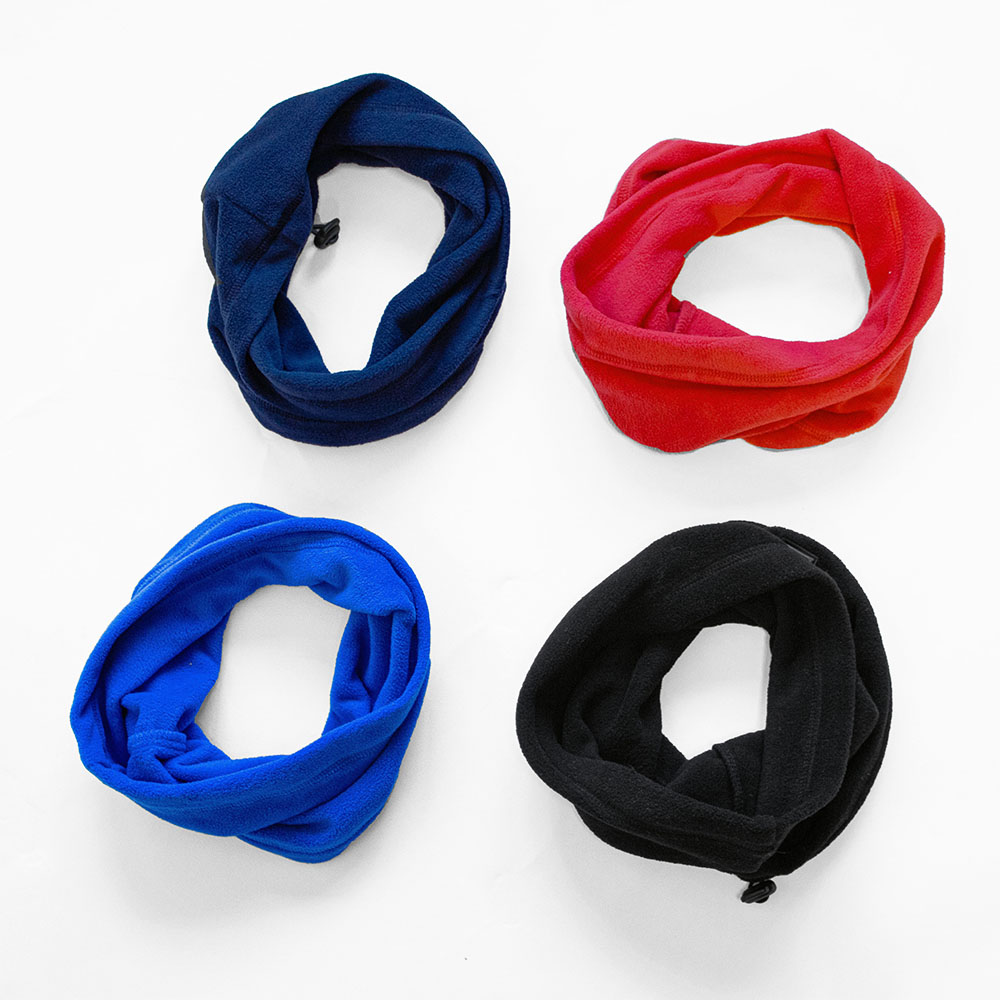
It can be helpful to wear a snood or something over the nose and mouth to help moisten and warm cold air during inhalation.
4. Keep hydrated
When it gets cold and wet, you might start to forget about drinking enough water, but you need to be careful. You won’t feel as hot after exercise, but you are still losing plenty of fluid. In fact, you’re likely to lose around 800ml of fluid every hour through sweat and respiration. Make sure you still carry a water bottle with you in the winter.
5. Don’t stay outside for too long
After training and cooling down, get back into the warmth as quickly as possible. Make sure you take off any wet or sweaty clothes. Directly after exposure to cold weather, your immune system is vulnerable. This is heightened during the first half hour after training and your body becomes particularly susceptible to colds and infections.
6. Eat plenty of fruit and vegetables
Support your immune system with a balanced diet that’s rich in vitamins and minerals. At this time of year, you should be eating plenty of root vegetables, cabbage and winter salads. Also eat fruits such as tangerines, pomegranates, pears, and apples.
7. Listen to your body
Your health always comes first and you shouldn’t push yourself. Take a break from training if you experience pain when breathing, get a bad cough or develop a cold. Pushing your body in cold weather could only make your health worse, so stay warm and contact a doctor if necessary.
8. Dress for the cold
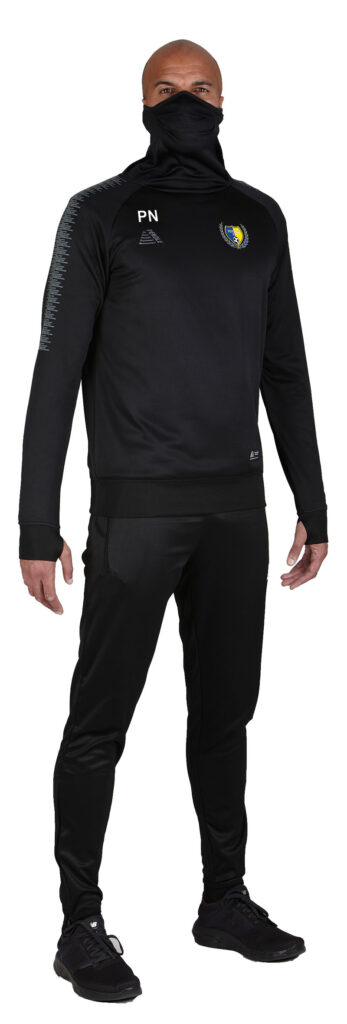
Obviously, outdoor training in winter requires warmer clothing, but you don’t want to get caught out. Your training kit should have an option for all weather. It’s easy to underestimate the temperature, or it can get colder as you’re training. The best approach is to dress in plenty of layers that are easy to remove. Make sure that you keep your extremities covered since they radiate a large amount of heat.
You can wear gloves, hats, and base layers to build up layers without adding too much bulk.
Training Sessions
Winter training sessions need more planning to ensure you keep players warm, engaged and motivated. The key is to reduce downtime and keep players moving as much as possible.
Arrival Activities
It’s important to keep players busy, but it’s even more important for younger players. Children lose heat quickly and find it harder to warm up again. To prevent, plan a simple arrival activity, so they get moving as soon as possible. Examples include:
- A dribbling zone where players perform turns, skills or ball mastery
- A simple passing circuit in pairs or small groups
- A fun reaction game where players respond to colours or numbers
Arrival activities set the tone for the session and mean you’re not starting from cold when everyone is present. Browse our football equipment to find everything you need to set up drills and games.
Keep Downtime to a Minimum
On colder days, avoid long queues or static drills. Standing still will cause players to cool down quickly and increase injury risk. Try to find a way to get everyone involved for the whole session. If numbers are high:
- Split players into smaller groups
- Run the same drill across multiple areas
- Use stations so players rotate regularly
If you need to give feedback, do it briefly and while players are lightly moving rather than standing still.
Use Game-Based Training
Small-sided games work particularly well in winter training sessions. This gets every player involved and active. They also provide plenty of opportunities for players to develop key skills. Formats like 3v3 or 4v4 keep intensity high, increase touches and reduce standing time. You can adapt games by:
- Adding conditions such as a minimum number of passes
- Awarding bonus points for teamwork or quick transitions
- Using smaller pitches to increase involvement
Games also help maintain enjoyment when weather conditions are poor, which can make a big difference to motivation and attendance. Good winter session planning isn’t about doing more. It’s about keeping players moving, warm and engaged from start to finish.
Winter Training Kit
You want to make sure that everyone turns up ready to play. Players will only be warm if they turn up to training already warm. It’s worth getting players a cold-weather training kit so they’re prepared. For more ideas of what to include in your winter training kit, check out our previous blog post.
We have a great range of winter training wear and you’ll find some amazing bulk deals. Get your hands on base layers, gloves, hats, sweatshirts and jackets. Take a look at the full collection now.

Winter Training Essentials