

Last Updated on: 12th January 2026, 10:04 am
Football Training In The Rain
Our Advice For Wet Weather Training
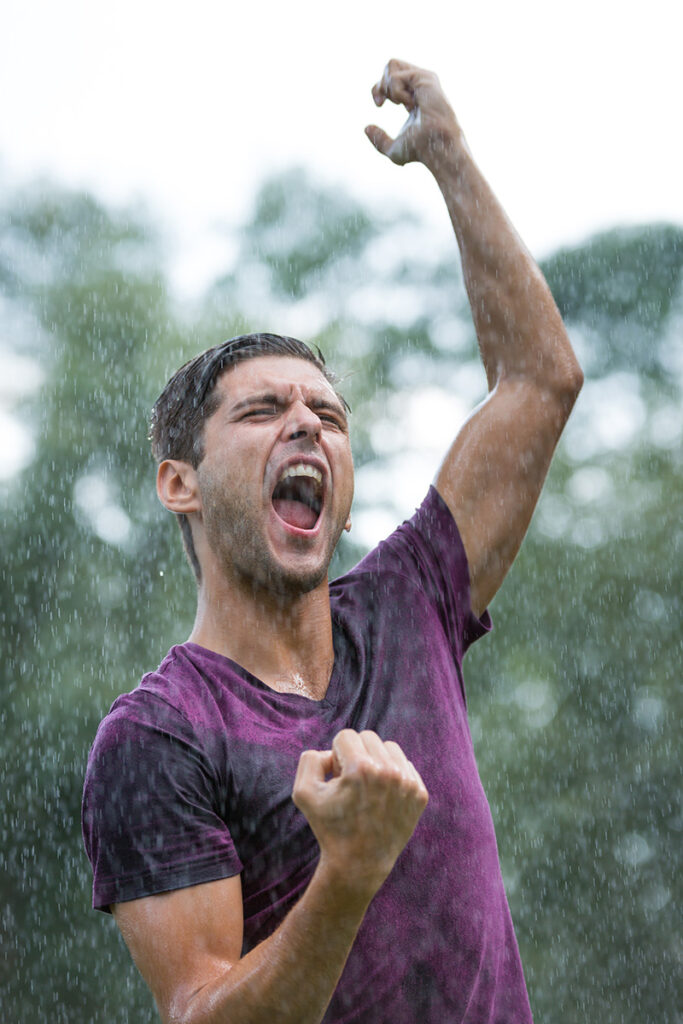
Unfortunately, rain is an inevitable aspect of living in the UK. It’s always causing problems for grassroots football and you might face match cancellations. We understand the temptation to play indoor football games, but you shouldn’t be so quick to avoid the rain. You might not enjoy playing football when it’s wet, but it can actually help you. Take the opportunity to develop your skills in the wet weather.
Football Training in the Rain: At a Glance
- Training in the rain can improve fitness, balance, and mental toughness
- Cooler temperatures help reduce the risk of overheating
- Wet conditions activate stabilising muscles that are less used in dry weather
- The right clothing and footwear make a big difference
- Safety should always come before performance
Is It Safe to Train in the Rain?
Training in the rain is usually safe, as long as conditions are managed properly. Light to moderate rain isn’t a big problem, but sessions should be adjusted or cancelled if the pitch becomes waterlogged, slippery, or unsafe. Before going ahead with a wet weather training session, you should always check:
- Pitch drainage and surface condition
- Visibility and temperature
- Whether standing water affects ball movement or player footing
Extra care should be taken with younger players, who are more affected by cold and wet conditions. If there is lightning, extreme weather, or a risk of injury, training should be postponed. Player safety should always come first.
Benefits of Football Training in the Rain
You Work Harder
Indoor training is a good option, but you’ll actually be able to work harder in the rain. The cooler weather creates the perception of less exertion. It will also be easier to keep your body cool and prevent overheating and exhaustion.
It Uses More Muscles
The rain will inevitably make the ground slippery, so you’ll need to work hard to keep your balance. This means you’ll use smaller coordinating muscles in your legs, which may go unused when training in warmer weather.
You Develop Mental Strength
One of the hardest parts of training in the rain is just getting out of the door. Once you’re at training, the release of endorphins will make everything worth it. It will also make it easier to get out in the rain on a different day. Slowly, your confidence will build and you’ll start to feel capable of facing greater challenges.
Boost Your Immune System
The belief that cold weather makes you sick is a misconception. Some studies believe that regular cold-weather exercise can be beneficial for your health. The Mayo Clinic found that regular training in cold weather can boost your immune system.
Rainy Day Training Ideas
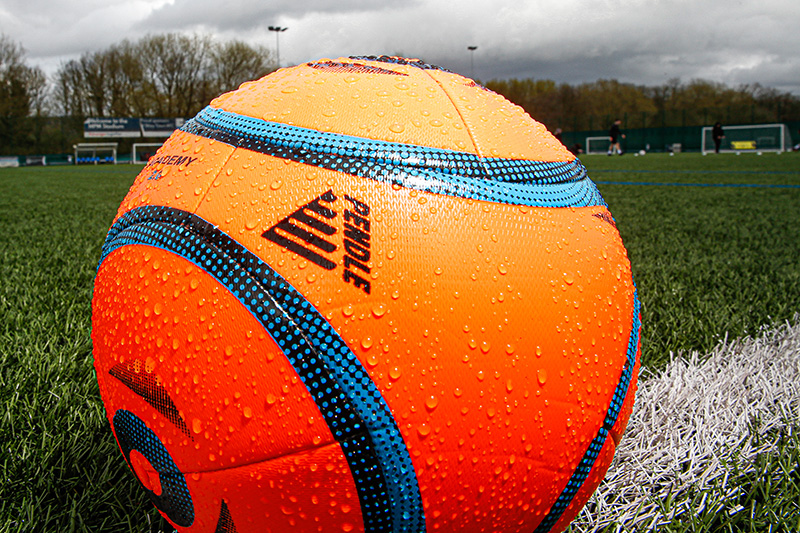
Wet weather is a good chance to adapt your sessions rather than cancel them. Simple adjustments can keep players engaged while still working on key skills.
- Passing and possession drills
Short passing drills, rondos, and small possession games work well in the rain. Keeping the ball moving along the ground helps players adapt to quicker ball speed and improves decision-making. - First-touch challenges
Set up receiving and turning drills where players must control the ball cleanly on a slick surface. This improves touch, balance, and awareness under realistic match conditions. - Defensive shape and recovery runs
Use the session to focus on defensive positioning, tracking runners, and recovery sprints. These exercises require less ball work and reduce the risk of slips while still developing match fitness. - Small-sided games with conditions
Run short games with rules such as two-touch limits or bonus points for completed passes. This keeps intensity high while encouraging smarter play in difficult conditions. - Finishing from close range
Work on low, controlled finishes inside the box. Wet pitches naturally favour shots along the ground and help players learn when to keep efforts simple.
Practical Tips For Football Training in the Rain
- Wear a hat with a brim – Wearing a hat with a brim will help keep the rain off your face so you can see better. Make sure you wear a hat that’s appropriate for the temperature. If it’s hot, wear a breathable one with venting. If it’s cold and windy, find a thicker hat and wear a headband to keep your ears protected.
- Grab some grip socks – With a wet ground to contend with, feeling secure in your boots will give you one less thing to worry about. A pair of grip socks will help you feel more stable.
- Wear layers if it’s cold – If it’s cold, you might need to wear a few layers. When picking your training clothes, the layer closest to your body is the most important. This should be made from a technical, moisture-wicking fabric. The outer layer should be a wind and water-resistant jacket.
- Don’t overdress – One of the biggest mistakes that you can make is to overdress. Wearing more layers won’t keep you dry. If you have too many layers on, they will just get heavy with water. When you dress, make sure you do it for the temperature as though it were a dry day.
- Beware of chafing – Chafing can happen at any time, but it can get much worse in the rain. If you’ll be running for an extended period, make sure you take steps to prevent chafing in any areas
- Change out of your wet clothes immediately – Even though you’ll feel warm after you finish training, make sure you change out of your wet clothes as quickly as possible. You’ll be at an increased risk of hypothermia. You’ll definitely want a spare pair of socks and clothes to change into once training is over.
- Dry out your boots – When you get back from training, make sure you dry your boots properly. Stuff them with crumpled balls of newspaper to draw the moisture away from the shoes and help keep their shape.

Things to Remember
Anticipate the flight of the ball
When playing in the rain, you need to use the movement of the ball on the wet pitch to your advantage. For example:
- Keep the ball on the floor
- Make sure to shoot low and hard
- Avoid dribbling.
Adjust your slide tackles
Yes, an epic slide tackle in the rain is a great thing. However, if you’re playing a match, you’ll want to readjust your timing or you’ll give away stupid goals and fouls.
Keep hydrated
If you’re playing in the rain, you won’t feel as hot as you normally would. That might make you forget about hydration. Make sure you still drink plenty of water or you’ll find yourself struggling as the game goes on.
Get Prepared and Embrace Wet Weather Training
Training in the rain is just part of football in the UK. Wet sessions can feel challenging at first, but they offer some good opportunities for development. Players learn to adapt, stay focused, and work harder in difficult conditions. Wet weather doesn’t have to stop your team’s progress. You just need the right mindset, plan and kit. That way you can build positive habits, develop technique and a stronger mental resilience.
Preparing properly is the key to making the most out of wet-weather training. Having suitable training wear, spare layers, and waterproof outerwear ensures players stay comfortable and safe. Browse our range of wet weather and winter training wear so your team is ready for rain. Get your hands on base layers, rain jackets, extra socks, hats, and gloves.

Wet Weather Training Essentials



Tags: football, Football training, Pendle Sportswear, Sportswear, Training Wear