

Last Updated on: 20th November 2026, 04:52 pm
No matter how successful they are, every team relies on training sessions. Well-planned drills and games are the best way to help your players develop their skills and become stronger on the pitch. To get the most out of training, make sure you have a wide range of football equipment. Whether you’re setting up a new football team or looking to replace your old equipment, having the right essentials makes it easier to run training sessions, prepare for matches and keep players comfortable. But what do you actually need?
We’ve put together a practical checklist of the essential football equipment for clubs, along with some useful extras that can help take your training sessions further.
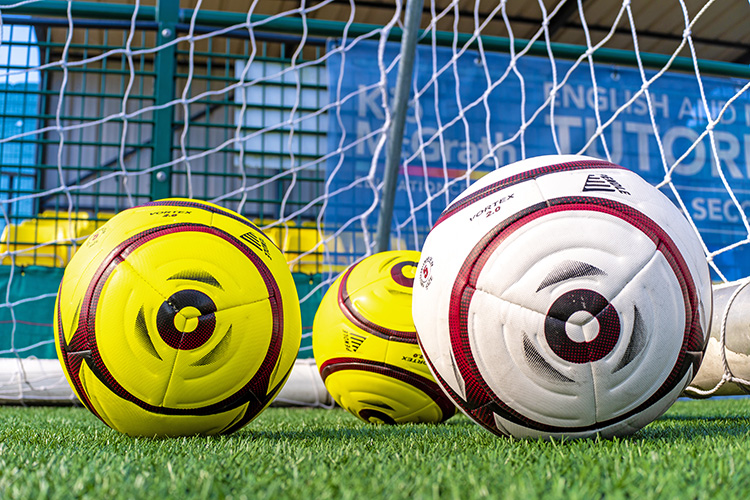 1. Footballs
Footballs are obviously a good place to start. Having enough footballs will make a big difference to the quality of your training sessions. Ideally, you’ll want enough balls for players to practice individually or in small groups. This means less time waiting for a turn and more time spent working on passing, shooting, and ball control. Make sure you choose the correct football size for your players. Picking the wrong size could hinder your players’ development. Check our football size guide to see the requirements for your age group and competition before buying.
What you’ll need:
- Training footballs for regular sessions.
- Match balls that meet your league’s requirements.
- A selection of spare balls.
- A ball pump, glycerine and spare inflation needles.
- A ball net or storage bag to keep everything together.
2. Training Equipment
A good selection of training equipment will make it easier to plan training sessions. You don’t need hundreds of different items, but a few versatile pieces can be used for a wide range of training drills or football games. Here are some of the most useful training essentials.
- Cones and Markers
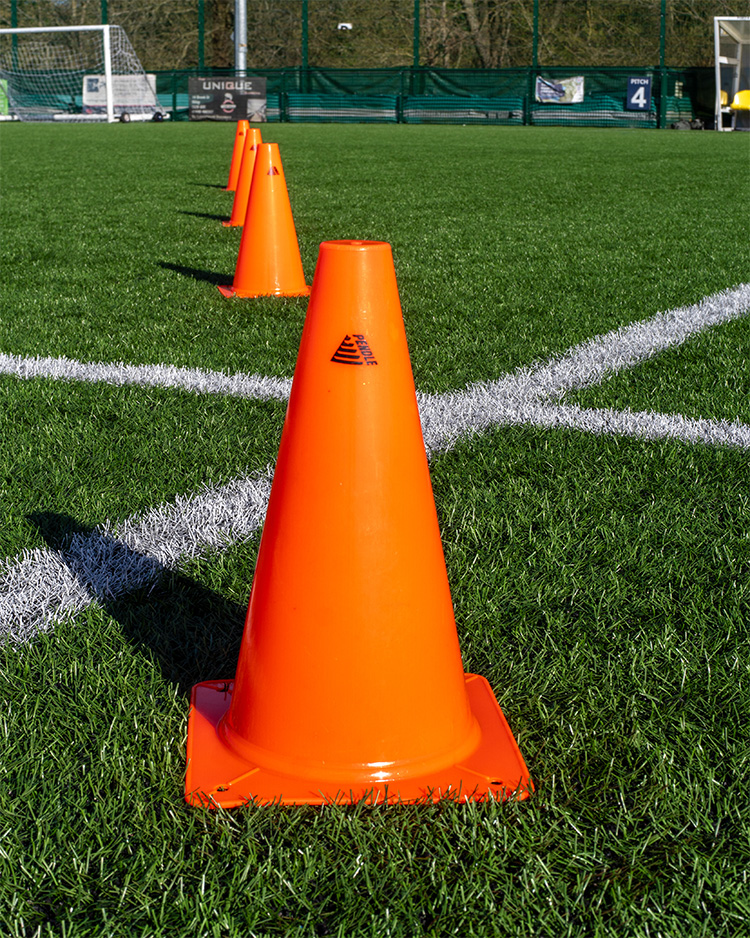
Cones are one of the most versatile pieces of football training equipment. They’re useful for marking out playing areas, setting up passing drills, creating dribbling courses and organising small-sided games. Markers are also handy for highlighting positions, creating targets and setting up exercises where players need to work on their footwork and agility. It’s worth having a mixture of sizes and colours so you can adapt your set-up to different activities.
- Training Bibs
Training bibs are a must-have. Use them to split players into teams during training sessions. They’re particularly useful for small-sided games, possession drills and attacking versus defending exercises. Make sure you have a selection of colours and enough bibs for everyone, plus a few spares just in case.
- Slalom Poles
Slalom poles are useful for developing close ball control, dribbling and changes of direction. Set them up in a line to create a dribbling course or use them to challenge players to move quickly through tight spaces. They can also be used for agility exercises without a ball.
- Agility Ladders and Hurdles
Agility ladders and hurdles can help players work on coordination, footwork, balance and movement. They are useful additions to warm-ups and fitness sessions, giving players different movement patterns to practise. Coaches can also introduce ball work to make the exercises more football-specific.
- Rebound Boards
Rebound boards are a useful addition to individual and group training sessions. Players can practise passing, receiving and controlling the ball by working with the rebound surface. They’re particularly helpful for developing first touch, passing accuracy and reactions, and can be used by players practising on their own as well as during organised sessions.
3. Matchday Equipment
Once training is covered, there are a few extra items you’ll need to make sure your team is ready for matchday.
- Match Kit
Every team needs a suitable match kit in their chosen colours. Traditionally, you want to get shirts, shorts and socks in your chosen design. Your players might favour sock sleeves and grip socks over traditional football socks. You’ll definitely want your shirts customised with the club’s badge, but you can also add sponsor logos, numbers, names and more. It all depends on your budget and preference.
Things you’ll also want to consider:
- A different-coloured goalkeeper kit.
- An away kit and possibly a third kit in case of a colour clash.
- Base layers for colder days.
- Spare shirts, shorts and socks.
It’s worth keeping a few spare items with the team in case a player forgets something or needs a replacement.
- Goalkeeper Gloves
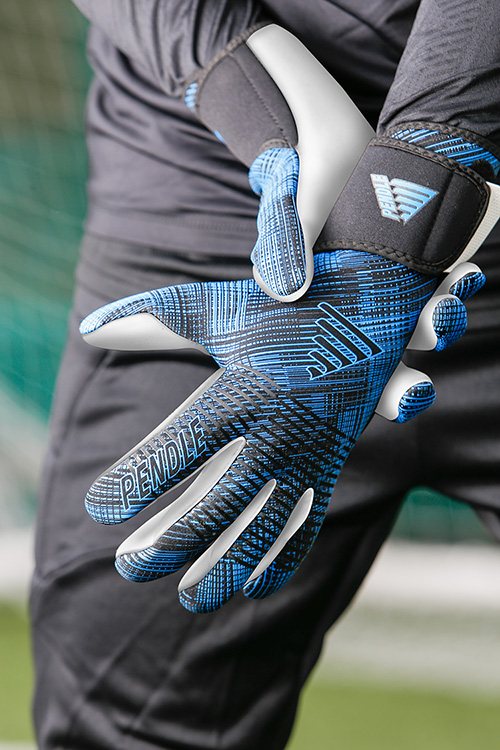
Goalkeeper gloves are an important part of a goalkeeper’s equipment. They provide grip when handling the ball and help protect the hands during training and matches. Make sure gloves fit properly and are suitable for the conditions and level of football being played.
- Captain’s Armband
A captain’s armband is a simple way to identify the team captain on the pitch. It can be helpful for both players and match officials, particularly when organising teams and communicating during games.
- Corner Flags
Corner flags help mark out the pitch and identify the corners of the playing area. Check whether these are provided by your venue or whether your club needs to supply them.
- Whistles and Stopwatches
A whistle is a useful piece of equipment for coaches and managers during training sessions. It helps bring activities to a stop, organise groups and communicate instructions. A stopwatch can also be useful for timed drills, fitness activities and training challenges.
4. First Aid and Player Safety Equipment
Player safety should always be a priority, whether you’re running a training session or preparing for a match. Every team should have access to a suitable first aid kit, with supplies available to deal with minor injuries and incidents. Useful first aid supplies include:
- Plasters and sterile dressings.
- Bandages and medical tape.
- Antiseptic wipes.
- Disposable gloves.
- Instant cold packs.
- Scissors.
Check supplies regularly and replace anything that has been used or has passed its expiry date. It’s also important to have an appropriate first aid plan in place, including access to someone with suitable first aid training and the relevant emergency contact information for players.
What Should Players Bring?
There are also a few personal items that every player should have.
- Football boots: Suitable for the playing surface and conditions.
- Shin pads: An essential piece of protective equipment for football.
- Water bottle: Players should have access to drinking water throughout training and matches.
- Suitable clothing: Base layers, jackets and other training wear can help players stay comfortable in colder or wetter conditions.
For junior teams, it’s worth reminding parents what players need to bring before the start of each season. You can always send them a copy of our matchday checklist for their first few games.
5. Storage and Equipment Bags
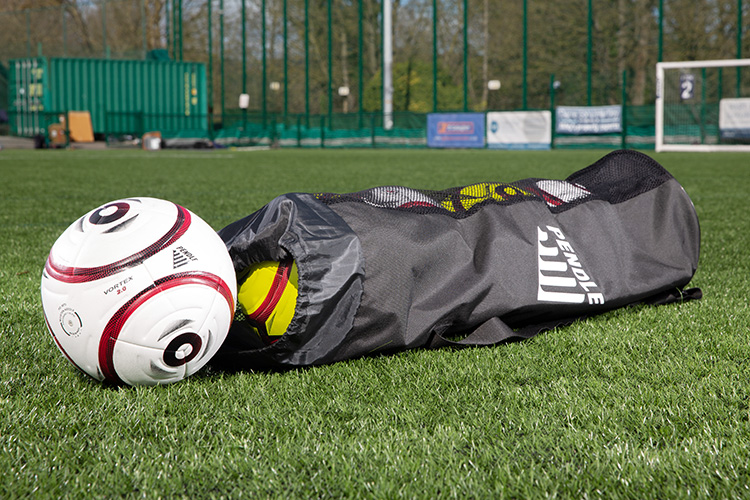
Having the right equipment is one thing. Keeping it organised is another. Football equipment can quickly become difficult to manage, particularly when several coaches share responsibility for training sessions. A few simple storage solutions can make life much easier. Useful storage equipment includes:
- Ball nets and carriers for storing and transporting footballs.
- Kit bags for bibs, cones and training accessories.
- Mesh bags for smaller items such as markers and accessories.
- Storage boxes for keeping equipment together at the club or training venue.
Try to keep everything organised and check your equipment regularly so you know what needs replacing before it becomes a problem.
How Much Does Grassroots Football Equipment Cost?
The cost of setting up a grassroots football team can vary considerably depending on the age group, number of players and equipment you already have. You can keep costs manageable by prioritising the essentials and choosing equipment that can be used across different age groups and training activities.
It’s also worth considering:
- Buy in bulk: Ordering footballs, bibs and other regularly used items in larger quantities can offer better value.
- Choose versatile equipment: Cones, markers and footballs can be used for dozens of different drills.
- Look after your equipment: Store everything properly and check it regularly to help it last longer.
- Plan ahead: Ordering before the start of the season gives you time to check sizes, quantities and availability.
For clubs working with limited budgets, it can also be useful to ask parents, local businesses and sponsors whether they can help towards the cost of new equipment.
Getting Your Team Ready
Having the right football equipment helps coaches organise effective training sessions, gives players the tools they need to develop and makes matchday preparation much easier. You don’t need to invest in every piece of equipment straight away. Start with the basics, make sure your players have what they need and build your collection over time.
At Pendle Sportswear, we supply grassroots football clubs with a wide range of football kits, training wear and equipment. Whether you’re preparing for a new season or replacing a few training essentials, take a look at our range and get your club ready. Also check out our deals on kits, training wear and equipment, so you can get the best value for your club.
Frequently Asked Questions
What equipment does a grassroots football team need?
At a minimum, a grassroots football team needs footballs, training bibs, cones and markers, match kit, goalkeeper equipment and access to a first aid kit. Players also need their own football boots, shin pads and water bottles.
How many footballs does a grassroots team need?
The number of footballs depends on the size of your team and the type of training you run. Ideally, coaches should have enough balls for players to work individually or in small groups, reducing waiting time during drills. Having a few spare balls is also useful.
What size football do junior teams use?
Football size depends on the players’ age group and competition rules. Smaller sizes are generally used by younger players, while size 5 is used in adult football. Always check your league or governing body’s requirements before ordering.
What training equipment should a football coach have?
A useful starting collection includes footballs, cones, markers and training bibs. Slalom poles, agility ladders, hurdles and rebound boards can also help coaches introduce a wider variety of drills and activities.
What should a football first aid kit contain?
A football first aid kit should contain suitable supplies for dealing with minor injuries, such as plasters, sterile dressings, bandages, medical tape, disposable gloves and cold packs. It should be checked regularly and supported by an appropriate first aid plan.
What should players bring to football training?
Players should bring suitable football boots, shin pads, a water bottle and clothing appropriate for the weather. Goalkeepers should also bring their gloves. Coaches should let parents know if any additional equipment is needed for their sessions.
Tags: Football advice, football essentials, Football training, football training equipment